


The Bwiti:
The Study of Life
Bwiti is known as “the Study of Life,” and its practitioners see themselves as Students of Life, guided by the sacred plant Iboga.

What is Bwiti?
Bwiti is a traditional spiritual path that originated in southern Gabon and has since spread throughout parts of Central Africa, including Cameroon and the Republic of Congo. Rather than being defined as a religion, Bwiti is often described by its practitioners as "the Study of Life", a living tradition centered on self-knowledge, community, nature, and spiritual growth.
At the heart of Bwiti is Iboga, a sacred plant used ceremonially for generations. Within the tradition, Iboga is regarded as a powerful teacher and guide, offering insight, healing, and a deeper understanding of oneself and the world.
The Bwiti people have preserved the ceremonial use of Iboga through oral teachings, rituals, music, and initiation practices, serving as custodians of this ancestral knowledge.

Teachings and Philosphy
Bwiti teachings focus on understanding life through direct experience. Rather than relying solely on doctrine or belief, practitioners seek wisdom through observation, ceremony, community, and personal reflection.
Core values often include:
-
Self-knowledge and personal responsibility
-
Honesty and integrity
-
Respect for nature
-
Service to community
-
Emotional healing and reconciliation
-
Gratitude and balance
-
Living in harmony with oneself and others
Within the tradition, Iboga ceremonies are often accompanied by teachings, storytelling, and guidance from elders, helping participants integrate their experiences into daily life.
Ceremony, Music & Dance
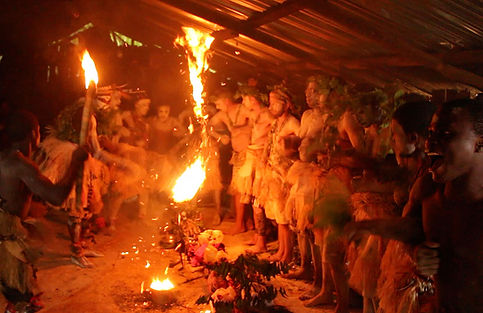
Ceremony lies at the heart of the Bwiti tradition. It is a sacred space where participants come together to reflect, learn, heal, and connect with themselves, their community, and the spiritual world. Bwiti ceremonies are immersive experiences that engage the mind, body, and spirit through a rich blend of music, dance, prayer, and storytelling.
Music plays a central role throughout the ceremony, with traditional instruments, rhythmic chanting, and call-and-response songs creating an atmosphere of focus, energy, and connection. Dance is used as a form of expression and participation, helping individuals become fully present in the experience while strengthening the bond between the community and the ceremony itself.

Storytelling
Storytelling is equally important within Bwiti culture. Elders and practitioners share teachings, wisdom, and ancestral knowledge through stories that have been passed down through generations. These stories offer guidance, preserve cultural traditions, and encourage personal reflection, helping participants gain deeper insight into their own lives and experiences.
Together, ceremony, music, dance, and storytelling create a powerful environment for learning, transformation, and connection that has been at the centre of Bwiti practice for centuries.